
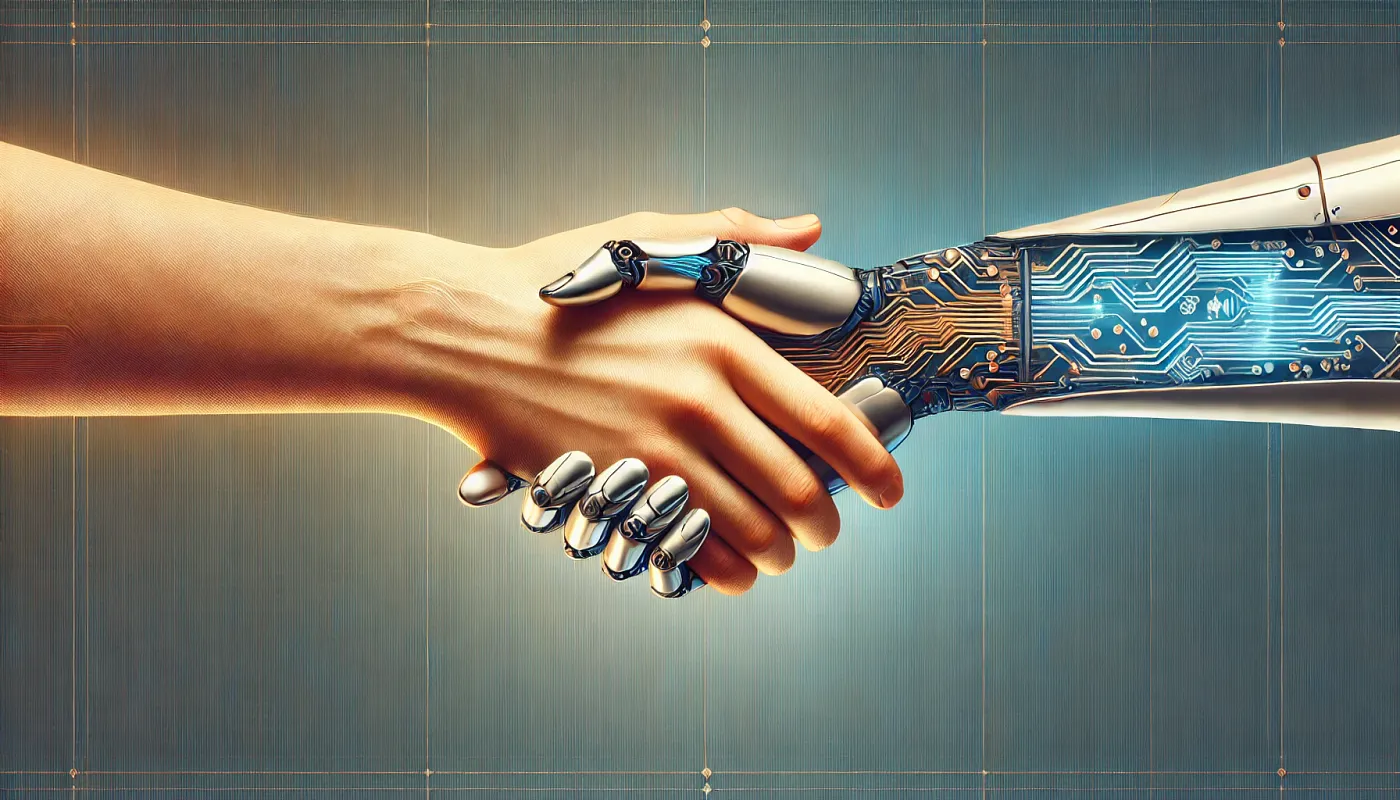
There is far more demand for developer mindshare than availability; they will go where it is easy to contribute, feel valued, and have economic opportunity. This is best achieved by balancing human connection and automation.
Developer communities are essential to the success of most technology organizations and enterprises. These communities serve as hubs where ideas spark, innovation thrives, and individuals collaborate to create something greater than themselves. In today’s fast-paced digital era, automation and AI have become indispensable tools for scaling and managing these dynamic spaces. They streamline operations, provide critical insights, and help manage the growing complexity of modern communities.
However, while automation excels in creating efficiencies, it falls short in nurturing the “soul” of a community. Authentic communities are built on trust, creativity, and connection — qualities that require the human touch. The most successful communities do more than function smoothly; they inspire loyalty, creativity, and a shared sense of purpose. Achieving this requires a balance between automation and personal engagement.
Let’s explore how automation establishes scalability and efficiency and why human insight is indispensable in fostering vibrant, thriving communities.
Automation: Laying the Foundation for Scalability
As communities grow, managing them manually becomes increasingly difficult. Automation offers a solution by handling repetitive tasks, providing real-time insights, and optimizing workflows, freeing up community managers to focus on strategic and relational aspects.
Key Areas Where Automation Excels
- Onboarding New Members
Welcoming new members is crucial for engagement and retention. Automation tools can send personalized onboarding emails, guide users through initial steps, and even deliver tailored content based on user preferences.
Impact: Studies have shown that communities with automated onboarding processes experience retention rates up to 50% higher.
Personal Note:
Several years ago, I served on the board of a business intelligence software company that had open-sourced its reporting tool. The company meticulously tracked data to understand its community’s growth. One standout insight remains relevant today: A developer needs to interact with the community seven times before they are likely to feel a genuine connection. It’s those seven instances of engagement — where they take the initiative to interact with you, not the other way around — that demonstrates trust and commitment.
- Providing Instant Responses
AI-powered chatbots ensure that community members receive answers promptly and 24/7 without requiring constant human oversight.
Impact: Chatbots can handle up to 80% of routine queries, saving time and maintaining responsiveness. - Tracking Engagement Metrics
Platforms can consolidate data from multiple sources, analyze member activity, and identify trends, guiding community managers toward more impactful decisions.
Impact: Automated analytics help focus efforts on high-priority areas, such as recognizing top contributors or addressing declining participation. - Content Scheduling and Distribution
Tools like Buffer and Hootsuite ensure that updates, announcements, and campaigns are consistently delivered at optimal times.
Impact: These tools maintain steady communication and prevent gaps in engagement, particularly in global communities spanning different time zones.
Enhancing the Developer Onboarding Experience with Analytics
From my experience building open source developer communities, onboarding is where a community’s promise either begins to take shape or falls apart. A seamless, empowering experience inspires developers to engage more deeply, while friction creates an emotional barrier. The best communities recognize this and treat onboarding as a dynamic process that evolves alongside their users’ expectations
The onboarding experience is a critical touchpoint in a developer’s journey. It’s often the developer’s first impression of a community, and poorly executed onboarding can result in disengagement before a member has even utilized the software. Automation can streamline onboarding and provide ongoing analytics to identify pain points and areas for improvement.
Why Onboarding Analytics Matter
Developer communities often lose members during onboarding if the process isn’t:
- Simple: Overly complicated steps discourage participation.
- Efficient: Developers expect to get started quickly, without unnecessary delays.
- Well-Documented: Poor or incomplete documentation leaves users frustrated.
- Productive: Onboarding should enable developers to achieve small wins early, boosting their confidence and engagement.
If these elements aren’t in place, developers are likely to leave, never giving the community a second chance.
How Automation and Analytics Improve Onboarding
Automation tools provide insights that can make onboarding more effective and responsive:
- Identifying Drop-Off Points
Analytics can track where developers abandon the onboarding process. For example, a poorly explained setup step or a complex prerequisite might be a consistent barrier.
Impact: This data allows community managers to refine steps, remove obstacles, or provide clearer guidance where needed. - Measuring Time to Productivity
Automated tracking measures how long it takes for a new developer to complete key milestones, such as setting up their environment or submitting their first contribution.
Impact: Shorter times to productivity correlate with higher retention and satisfaction rates. - Feedback Collection and Iteration
Automation enables the collection of real-time feedback through in-app surveys or post-onboarding forms, identifying specific frustrations or areas for improvement.
Impact: Regular updates to onboarding processes based on feedback ensure continuous optimization. - Personalizing the Journey
AI-powered tools can deliver personalized onboarding experiences by tailoring documentation, tutorials, and first steps to a developer’s skill level or interests.
Impact: Tailored resources make the process feel relevant and approachable, increasing the likelihood of continued engagement..
The Limitations of Automation
While automation handles routine tasks efficiently, it lacks the empathy, creativity, and nuance available in human interactions. Chatbots can answer questions, but they cannot build relationships. Automated emails can welcome members, but they cannot inspire them.
The Human Touch: Creating Connection and Purpose
Human involvement is the key to transforming a group of users into a connected community.
Scaling Personalization Without Losing Authenticity
As communities grow, maintaining meaningful human connections becomes challenging. Combining segmentation strategies with AI-augmented insights can help community managers tailor personal interactions at scale.
Example: Use AI to surface engagement patterns but rely on ambassadors or community managers to add personal touches, such as hosting small group sessions or one-on-one mentoring.
Resolving Conflicts with Empathy
Conflicts are inevitable, especially in diverse communities. While AI can moderate comments, resolving tensions requires human-led discussions, empathy, and problem-solving.
Personal Note:
In one of my experiences on the board of an open source software security foundation, I participated in a governance discussion involving 20+ members. While the moderator ensured everyone’s input was gathered, there was no effort to find common ground or build a consensus. Vibrant communities will always have disagreements, but it’s crucial to identify shared interests and build from there. It’s equally important to acknowledge when some perspectives cannot be satisfied. The key is making thoughtful decisions that benefit the community as a whole while showing respect for differing views.
Real World Scenarios: Turning Challenges into Opportunities
Case studies provide a practical lens to examine the balance between automation and human interaction in scaling a developer community. Below are real-world scenarios where a mix of automation tooling and human connection turned potential challenges into opportunities.
Scenario 1: Addressing Member Frustration
When a member expressed frustration about a platform feature, the automated system provided a generic troubleshooting link. Sensing the frustration’s deeper roots, the manager personally reached out, thanking the member for their feedback and arranging a call to discuss their concerns. This interaction led to a feature enhancement that became a standout addition.
To scale such insights, the manager implemented a feedback mechanism that allowed more members to voice concerns in a structured way, ensuring no issues were overlooked.
Scenario 2: Resolving Governance Disputes
A proposed governance change triggered heated debates among members. While AI highlighted inflammatory comments, the manager stepped in to organize a virtual town hall. By fostering open discussion and incorporating feedback into a revised proposal, the team not only gained member support but also strengthened trust. This experience reinforced core governance principles, such as transparency and inclusivity, which were formalized into a living document for future conflicts.
Scenario 3: Recognizing Top Contributors
Analytics highlighted key contributors, but the manager went beyond automated recognition. Personalized thank-you notes, customized rewards and opportunities for leadership roles encouraged greater engagement, with participation increasing by 40%.
This approach later evolved into a formal recognition program, ensuring that contributions were celebrated at scale without losing the personal touch.
Conclusion: Balancing AI and the Human Touch
Combining the scalability of AI with the authenticity of personal connection will create a thriving, loyal and productive community.
Creating a checklist to evaluate and refine this balance is essential for sustained success. Such a tool helps identify gaps, align automation and human efforts with community goals, and ensure that growth does not come at the expense of connection.
How will you shape your thriving community? Let’s explore ways to integrate the power of automation with the power of human connection.